Implantology · 6 min
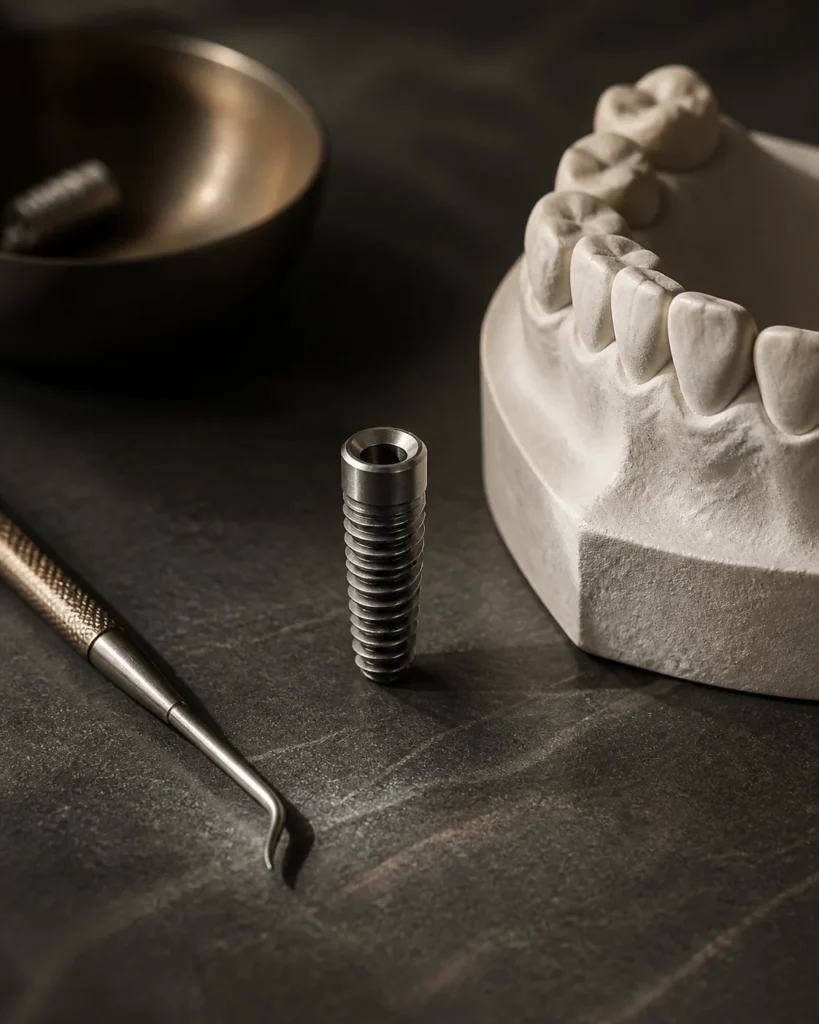
Nutrition and recovery after implant surgery
Essential steps from the first days to the return to a normal diet.
Read the article ↘
Implantology · 6 min
Essential steps from the first days to the return to a normal diet.
Read the article ↘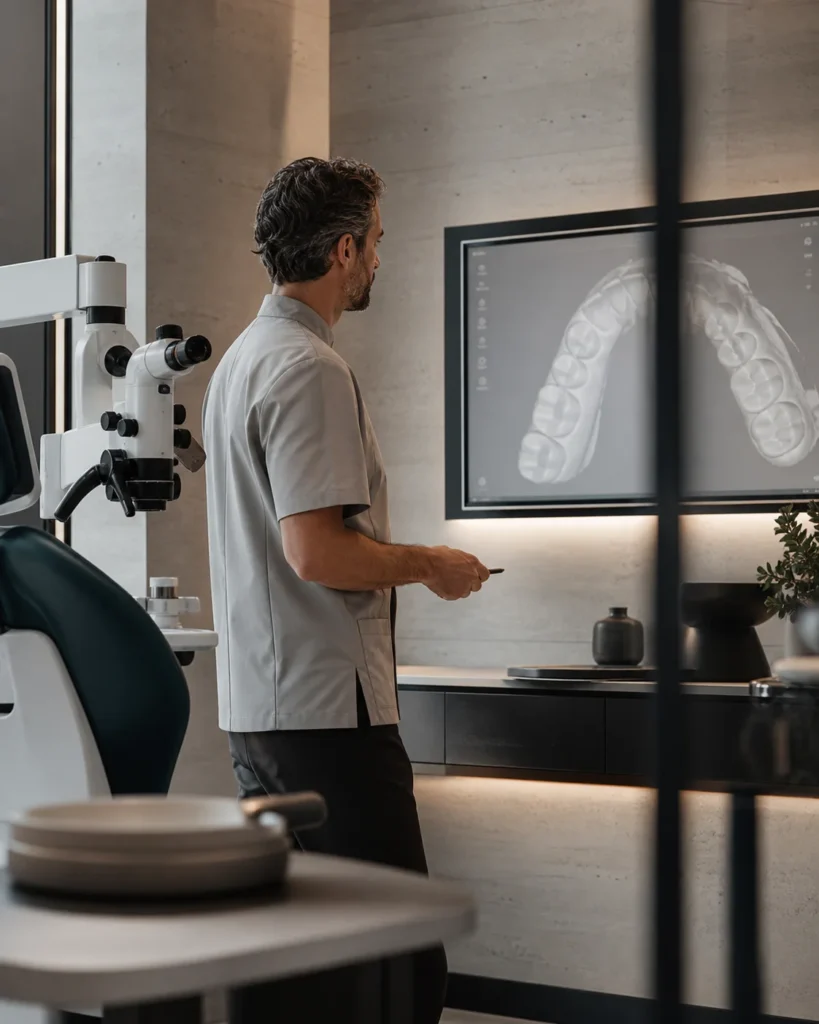
Clinical technology · 5 min
The role of anesthesia, digital planning, and open communication in the treatment experience.
Read the article ↘
Advanced surgery · 7 min
The framework of the assessment process for cases with advanced bone loss.
Read the article ↘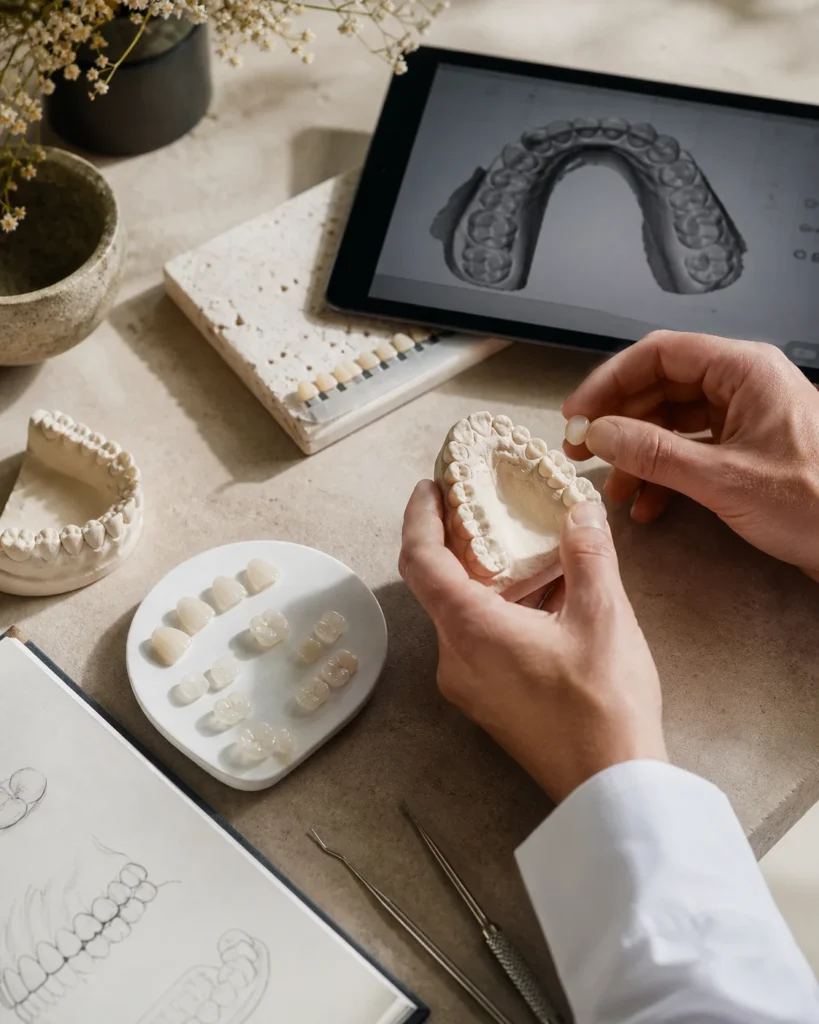
Restorative care · 5 min
Understanding the trial, temporary use, and permanent restoration stages.
Read the article ↘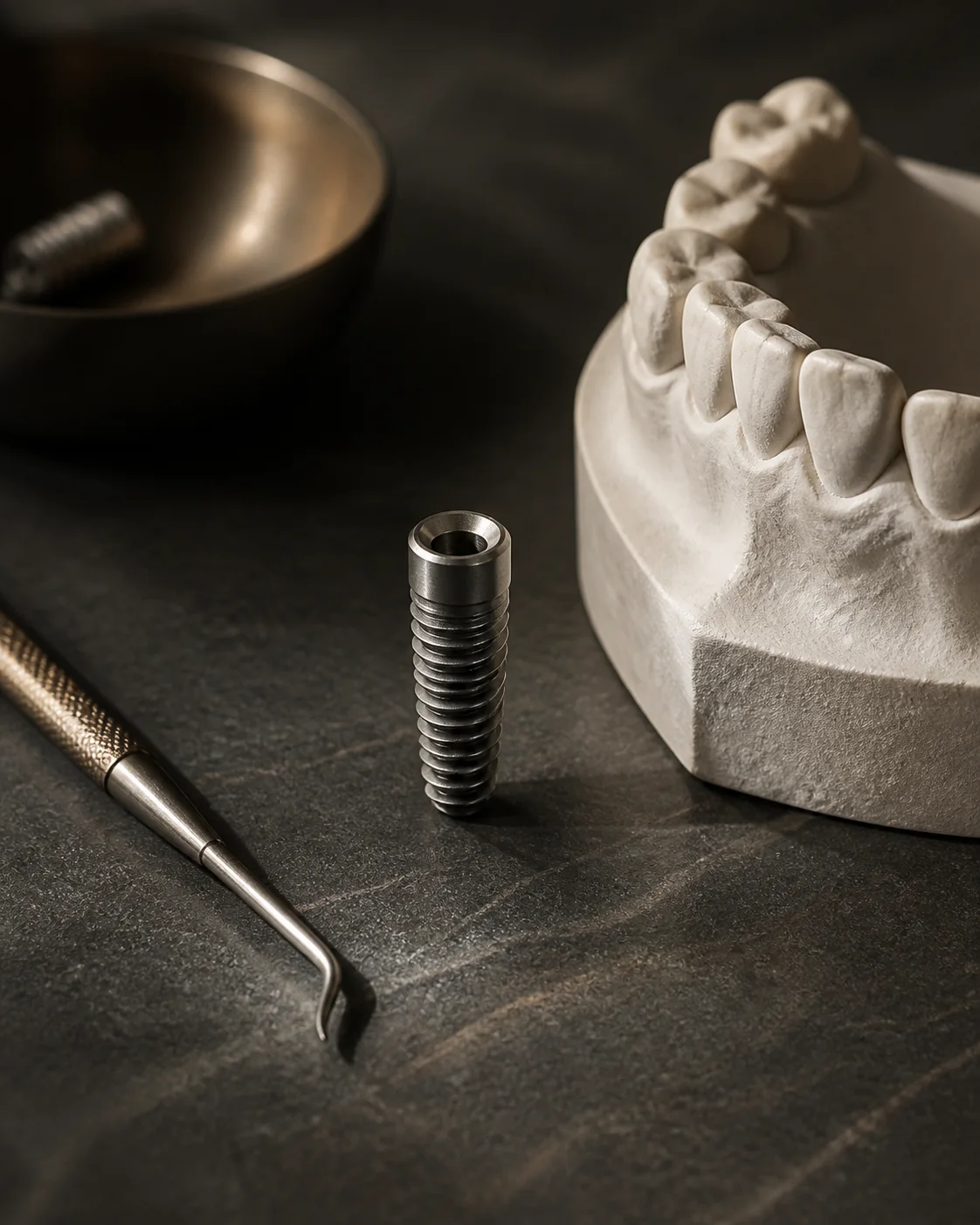
Implantology
During the initial healing period, it is important to follow the medication plan, oral care routine, and diet recommended by the dentist. In the first days, soft, lukewarm foods that do not strain the treated area are preferred.
The clinic should be contacted in case of unexpected severe pain, increasing swelling, prolonged bleeding, or fever. The personal care plan varies according to the scope of the procedure.
Explore implant treatment →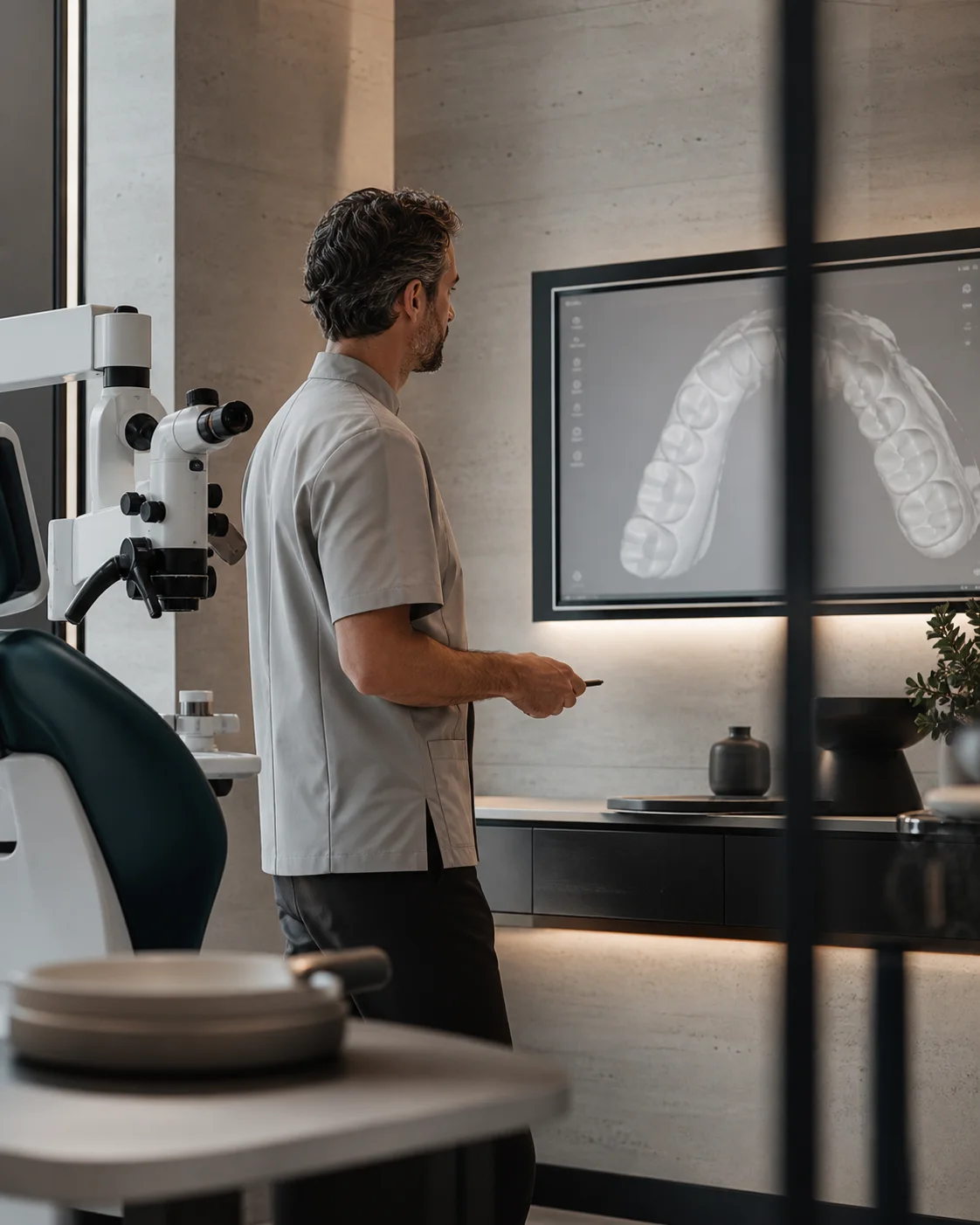
Clinical technology
A comfortable treatment begins with an accurate diagnosis, clear communication, controlled anesthesia, and a realistic plan for the procedure's duration. Digital imaging and scanning tools help the patient understand the process more clearly.
Explaining each stage in advance increases the patient's sense of control. The methods used are personalized according to the examination findings and the procedure to be performed.
Explore advanced procedures →
Advanced surgery
Zygomatic implants are advanced surgical procedures that may be considered in specific cases of advanced upper jaw bone loss where standard implant options are limited.
Three-dimensional imaging, general health history, sinus anatomy, and the prosthetic plan are evaluated together. Not every case of bone loss is suitable for this method; the final decision is made after a detailed examination.
Explore surgical options →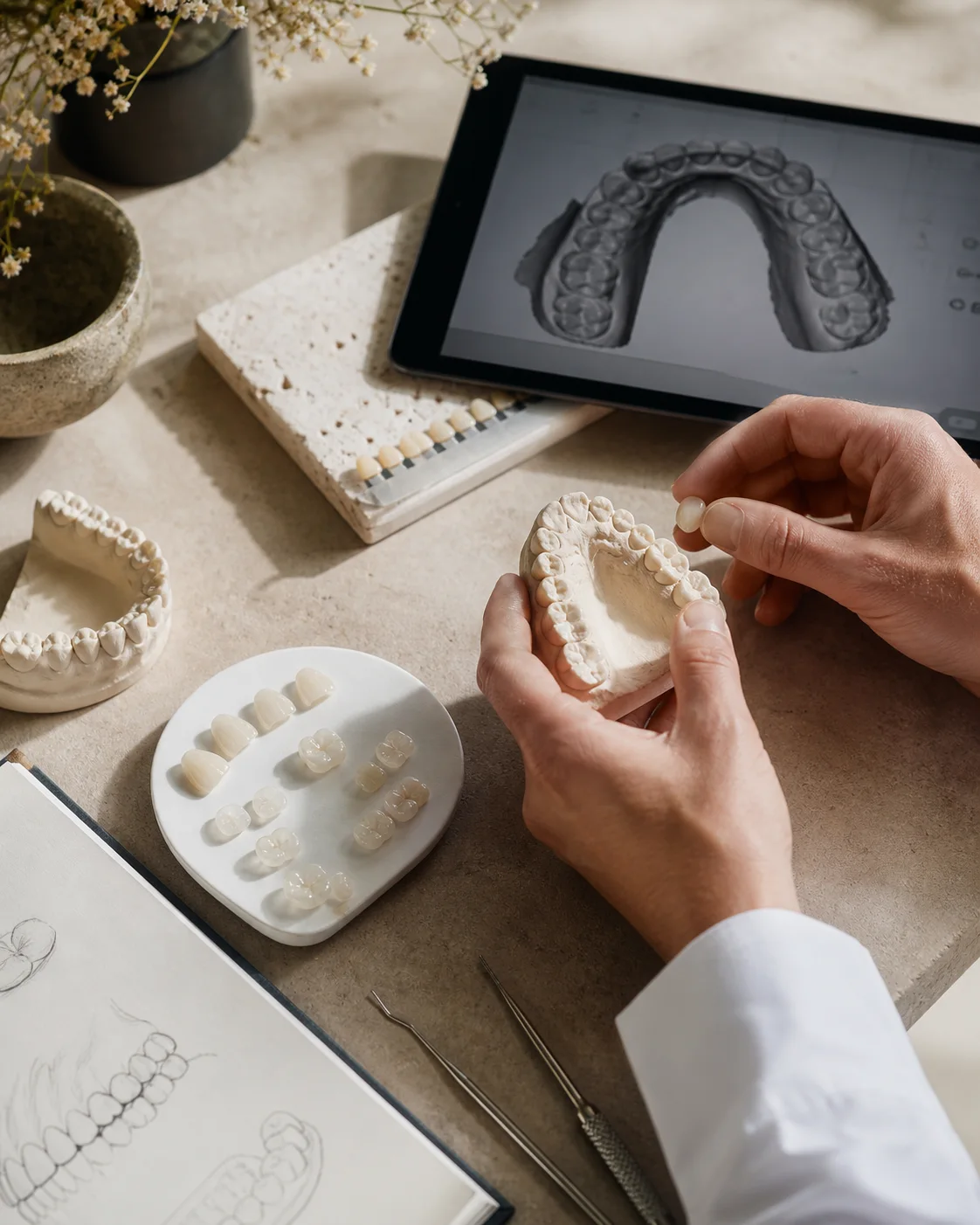
Restorative care
Temporary restorations protect the prepared teeth and allow shape, bite, and aesthetic expectations to be evaluated before the permanent restoration. This period is also important for observing the patient's adaptation to the new form.
The permanent restoration is delivered after fit, color, contact points, and bite have been checked. The frequency of check-ups and treatment duration differ for each case.
Explore restorative treatments →